
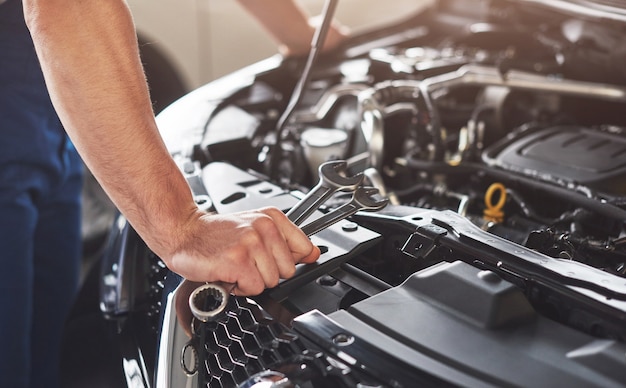
Owning a car is a significant responsibility, but with that responsibility comes the opportunity to keep your vehicle in great shape for years to come. Whether it’s your daily commuter, weekend road trip companion, or simply your mode of transportation, regular car services are crucial to ensuring your car performs at its best. Proper maintenance not only ensures that your car is running smoothly but also prevents costly repairs and improves overall safety. This article will delve into the importance of regular car services, what they include, and how they can benefit both your wallet and your peace of mind.
Why Regular Car Services Are Necessary
-
Maximized Safety on the Road: The most important reason to keep your car serviced is to ensure your safety and the safety of others on the road. A car service often includes checks on essential components such as brakes, tires, and the suspension system. These components wear down over time, and catching issues early can prevent accidents and breakdowns. For example, faulty brake pads or worn-out tires can lead to dangerous driving conditions, especially in wet or icy weather. Regular services help prevent these safety hazards by addressing issues before they become major problems.
-
Avoiding Unexpected Costs: Neglecting routine car maintenance can lead to unexpected breakdowns and expensive repairs. Small problems such as a loose hose, a dirty air filter, or a worn-out spark plug can escalate into larger, more expensive issues if not addressed promptly. Regular car services allow mechanics to identify minor problems early, preventing them from turning into costly repairs down the road. This proactive approach can save you hundreds or even thousands of dollars in repairs and part replacements.
-
Improved Fuel Efficiency: Many drivers are unaware that regular car services can boost fuel efficiency. Simple tasks like changing the engine oil, replacing clogged air filters, or maintaining proper tire pressure can make a significant difference in how much fuel your car consumes. An inefficient engine or improperly inflated tires can reduce your car's fuel efficiency, meaning you spend more at the gas station. Regular car services ensure that your vehicle runs optimally, saving you money on fuel and helping to reduce your carbon footprint.
-
Increased Longevity of Your Vehicle: One of the best ways to extend the life of your vehicle is by maintaining it through regular servicing. Like any machine, a car can wear out over time. However, if you keep up with essential services like oil changes, tire rotations, and brake inspections, you can significantly extend the life of your car. Regular maintenance helps ensure that the engine runs smoothly, the transmission shifts correctly, and the overall structure of the car remains intact for longer.
-
Better Resale Value: If you plan to sell or trade in your car, maintaining a comprehensive service history can help boost its resale value. Potential buyers or dealerships are more likely to purchase a car that has been well-maintained and serviced regularly. A car that has been consistently serviced is a sign of reliability, and it can be sold for a higher price than one with a sketchy or incomplete maintenance history.
Types of Car Services You Should Consider
Car services can vary based on the make, model, and age of your vehicle, but there are several common services that most cars need. These services should be done regularly as part of your car’s routine maintenance:
-
Oil Changes and Filter Replacements: One of the most common and important services is changing the engine oil and replacing the oil filter. Over time, oil breaks down and loses its ability to lubricate engine parts, leading to wear and potential engine damage. Oil changes typically need to be done every 3,000 to 7,500 miles, depending on the car's age and the type of oil used.
-
Brake Inspections: Your car’s braking system is a critical safety feature. During a regular car service, mechanics will check the condition of the brake pads, discs, and fluid. Worn-out brake pads can significantly reduce stopping power, increasing the risk of an accident. It's essential to check and replace brake components as necessary to maintain your car's safety.
-
Tire Rotations and Inspections: Tires are another crucial part of a car’s performance and safety. Unevenly worn tires can lead to poor handling, reduced fuel efficiency, and even blowouts. Regular tire rotations ensure that the tires wear evenly and last longer. Tire pressure should also be checked regularly, as underinflated tires can negatively impact handling and fuel economy.
-
Fluid Checks and Top-ups: Your car uses various fluids to keep all systems running smoothly, including coolant, transmission fluid, brake fluid, and power steering fluid. During a car service, these fluids should be checked and topped up as necessary. Low or dirty fluids can cause the engine to overheat, affect transmission performance, or reduce braking efficiency.
-
Battery Check: The battery is essential for starting the car and powering various electrical components. A mechanic will check the battery's charge and inspect for corrosion on the terminals. A weak or old battery can leave you stranded, so it's important to get it tested regularly, especially if your car is older or the battery is showing signs of wear.
-
Air Filter Replacement: The air filter helps prevent dirt, debris, and contaminants from entering the engine. Over time, air filters become clogged and can reduce engine performance. Replacing a dirty air filter can increase fuel efficiency and improve overall engine performance. It’s usually recommended to replace the air filter every 12,000 to 15,000 miles.
-
Suspension and Steering System Inspection: A well-functioning suspension system is essential for comfort and control when driving. Regular inspections of the suspension and steering components ensure your car handles well, especially on rough roads. Worn-out shocks or struts can lead to a rough ride and poor handling, so these should be checked periodically.
-
Exhaust System Inspection: The exhaust system helps reduce harmful emissions and noise. If there’s a leak in the system, it can lead to a decrease in fuel efficiency and higher emissions. Regular inspections of the exhaust system ensure that it is functioning properly and efficiently.
How Often Should You Service Your Car?
The frequency of car services depends on various factors such as the manufacturer’s recommendations, driving conditions, and the age of your vehicle. However, general guidelines for car maintenance include:
- Oil Change: Every 3,000 to 7,500 miles or every 3 to 6 months.
- Tire Rotation: Every 6,000 to 8,000 miles.
- Brake Inspection: Every 12,000 miles or once a year.
- Battery Check: Every 12 months.
- Fluid Checks: Every 6,000 to 12,000 miles or as specified in your vehicle's manual.
- Full Service (Comprehensive Inspection): Every 12,000 miles or annually.
Consult your vehicle’s owner manual for specific recommendations on your car’s service schedule.
Choosing the Right Car Service Provider
Selecting a trustworthy and skilled mechanic or service provider is key to ensuring your vehicle is properly cared for. Here are a few things to consider when choosing a service provider:
-
Experience and Certification: Look for a service center with experienced, certified technicians. Certification from organizations like the National Institute for Automotive Service Excellence (ASE) ensures the technician has the necessary skills and expertise.
-
Reputation: Read customer reviews and ask for recommendations from friends or family. A reputable service provider will have a history of satisfied customers and transparent business practices.
-
Clear Communication and Pricing: Choose a provider that offers clear, upfront pricing and explains the services performed. Avoid hidden fees or upselling of unnecessary repairs.
-
Warranty: Look for service providers that offer warranties on parts and labor. This provides peace of mind that the service will be done correctly, and any issues will be addressed promptly.
Conclusion
Regular car 中港包車 are not only important for the longevity of your vehicle but also for ensuring safety, reducing unexpected repair costs, and maximizing fuel efficiency. By staying on top of essential maintenance tasks, you can help your car perform at its best, improve its resale value, and avoid costly breakdowns in the future. Regular servicing is an investment in your car’s health, and in the long run, it pays off with a smoother, more reliable, and safer driving experience. Always remember, a well-maintained car is a happy car!